
Environmental Impact of Generative AI
How energy, water, and infrastructure power today’s AI systems — and what that means for the planet.
Why Does Generative AI Have an Environmental Impact?
Generative AI is not just “in the cloud” it runs on physical machines in data centers around the world. These facilities require electricity, cooling, hardware, and constant maintenance.
As more people use AI tools for writing, images, search, and coding, the total demand for computing power grows. That demand translates into higher energy use, more water for cooling, and a larger carbon footprint.
Energy Use
Training and running generative AI models require large numbers of high-performance graphics processing units (GPUs) or specialized AI chips. These chips draw significant power when:
- Training a model running it for days or weeks on huge datasets.
- Inference answering user prompts millions of times a day.
Data centers that host AI systems often consume as much electricity as small towns. If that electricity comes from fossil fuels, the carbon emissions associated with AI can be substantial.
Data centre electricity consumption in household electricity consumption equivalents.
million households:
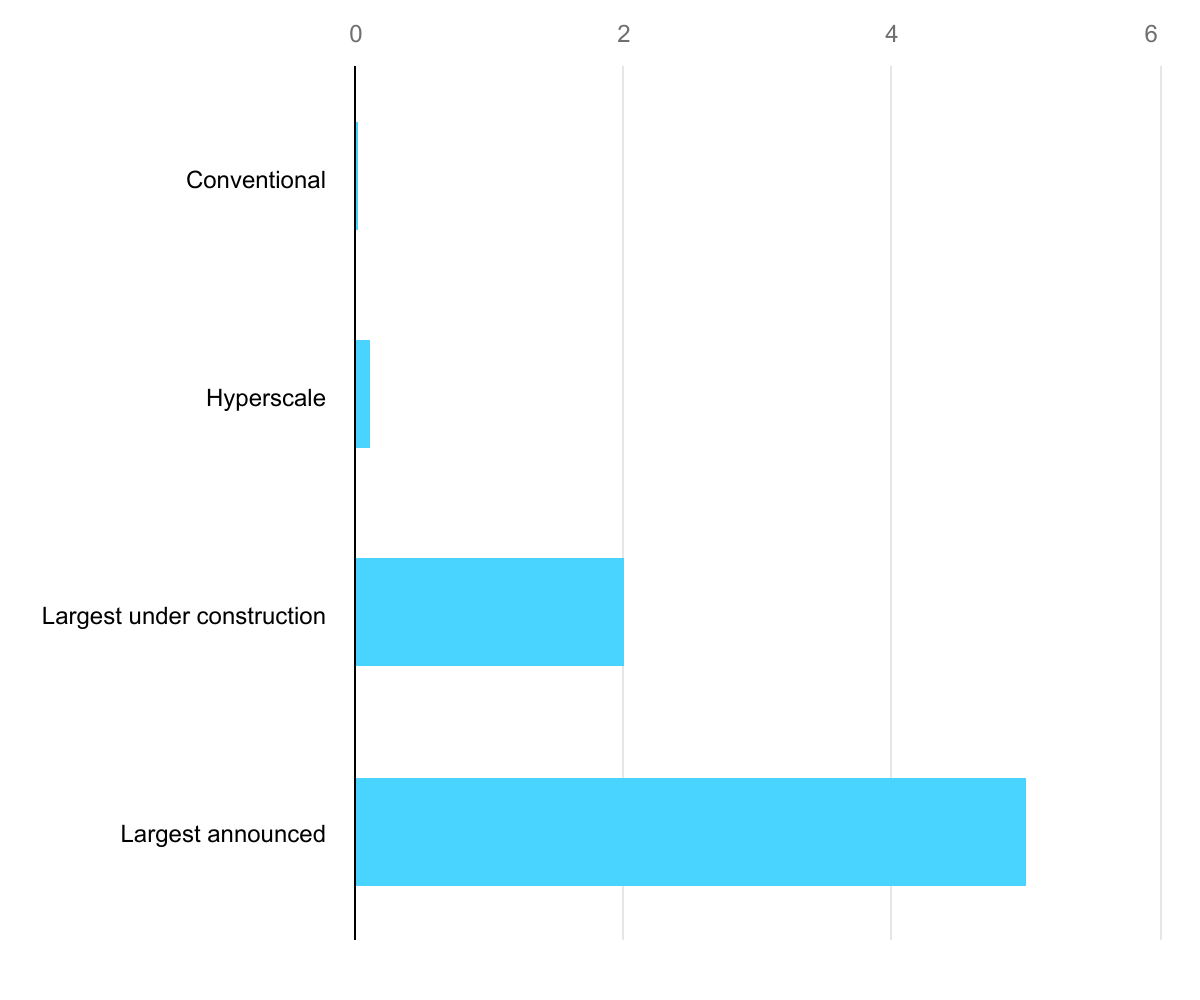
Source: International Energy Agency (IEA), 2024. Licensed under CC BY 4.0.
Key idea: The more complex the model and the more people who use it, the more electricity is required to keep it running.
Water and Cooling
AI data centers generate a lot of heat. To prevent hardware from overheating, facilities use cooling systems that often rely on large volumes of water.
Water may be used to:
- Cool equipment directly through evaporation or chillers.
- Support nearby power plants that supply electricity to the data center.
In regions already experiencing drought or water stress, this extra demand can put pressure on local water supplies and ecosystems.
Carbon Footprint and Physical Infrastructure
The climate impact of AI comes from the full lifecycle of its infrastructure:
- Producing chips, servers, and networking equipment.
- Constructing and operating data centers.
- Generating the electricity that powers training and inference.
- Eventually disposing of or recycling outdated hardware.
If a data center is powered primarily by fossil fuels, its carbon footprint will be significantly higher than one powered by wind, solar, or other renewable sources.
Who Is Most Affected?
The environmental costs of AI are not distributed evenly. Communities living near data centers or power plants may experience:
- Increased local water use.
- Higher demand on electrical grids.
- Potential air pollution from fossil-fuel power sources.
At the same time, many of the benefits of AI tools are concentrated in wealthier regions and organizations, raising questions about environmental justice and equity.
Putting the Impact in Perspective
Generative AI is only one part of the wider technology sector, but it is a fast-growing one. Understanding its environmental footprint helps us make more informed choices about when and how we use these tools.
The goal is not to say “never use AI,” but to ask how we can develop and deploy it in ways that are more efficient, transparent, and responsible.